Living environments significantly shape our lifestyles, values, and even our emotional well-being. This article explores the distinctions, advantages, and challenges of rural and urban living, offering insights into what each has to offer.
1. Defining Rural and Urban Living
Rural Living
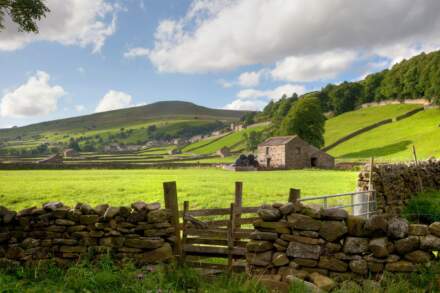
Rural areas are characterized by open spaces, low population density, and a close-knit community feel. These regions often comprise farmlands, forests, and small towns. Daily life in rural settings is heavily influenced by agriculture and nature, promoting a slower pace that allows for deeper connections with the environment.
Urban Living
Urban areas, on the other hand, are hubs of activity, culture, and diversity. With high population density, cities offer a dynamic lifestyle bustling with opportunities—from various job markets to social venues. Urban centers are known for their infrastructural development, access to amenities, and a fast-paced way of life.
2. Community and Social Interaction
Sense of Community
Rural communities often foster strong interpersonal relationships. People tend to know their neighbors, leading to a greater sense of belonging. Social interactions in rural areas are usually face-to-face, contributing to a supportive environment where people help each other.
Diversity and Social Opportunities
Urban environments, in contrast, are melting pots of cultures, languages, and experiences. The diversity found in cities can enrich lives through exposure to various perspectives and lifestyles. Urban living provides ample opportunities for social engagements, arts, dining, and nightlife, which can enhance one’s social experience but sometimes lead to feelings of anonymity.
3. Economic Opportunities
Job Accessibility
In rural areas, the job market is often limited to agriculture, small businesses, and some service industries. However, with the growth of remote work, many people have started migrating back to rural communities, allowing them to enjoy the tranquility of countryside living while pursuing urban job opportunities.
Economic Hubs
Urban areas are typically economic powerhouses filled with corporate offices, tech startups, and international businesses. The concentration of job opportunities can lead to higher salaries, but it also comes with increased competition and a higher cost of living.
4. Education and Healthcare
Access to Services
Rural communities may struggle with access to educational facilities and healthcare services. Often, the nearest school or hospital could be miles away, making these essential services harder to reach.
Quality of Education
On the flip side, urban areas usually boast a greater variety of educational institutions and advanced healthcare services. However, the quality of education can vary significantly, leading to disparities based on neighborhood and funding.
5. Lifestyle and Recreation
Nature and Outdoor Activities
Rural living provides numerous opportunities for outdoor activities like hiking, fishing, and farming. The connection to nature can enhance mental health and promote a more relaxed lifestyle.
Culture and Entertainment
Urban living offers an array of recreational activities—museums, theaters, concerts, and festivals. This can contribute to a vibrant lifestyle filled with cultural experiences but may lead to a more hectic and less grounded existence.
6. Transportation and Infrastructure
Driving and Transportation
Rural areas often require a dependence on personal vehicles. The infrastructure may be less developed, and public transportation may be limited, making commuting essential.
Public Transport
Cities typically have extensive public transportation systems, including buses, trains, and subways, allowing residents to travel without a car. While public transport offers convenience, it may also introduce stressors like overcrowding and delays.
7. Environmental Impact and Sustainability
Eco-friendly Practices
Rural communities often embrace sustainable living through farming, gardening, and lower carbon footprints. There’s a deep connection to land and resources, encouraging eco-friendly practices.
Urban Sustainability
Cities face challenges like pollution and resource management. However, urban areas can implement innovative solutions for sustainability, such as green buildings, efficient waste management, and electric public transport.
Conclusion
Rural and urban living each offers unique benefits and challenges. The choice between the two often depends on individual priorities—be it community ties, economic opportunities, lifestyle choices, or environmental considerations. Understanding these differences can help individuals make more informed decisions about where to live, ultimately shaping their life experiences. Whether in the hustle and bustle of the city or the serene surroundings of the countryside, each environment has its own charm and appeal.