James VincentYorkshire political editor

 PA Media
If you’re flicking through your Yorkshire Town Halls Calendar 2026, you might be wondering what to look out for this year in the world of politics on your doorstep.
It’s going to be an interesting 2026 – here are three things to keep an eye on.
Massive local elections
We’ve got a lot of them this year, including some key councils that will see all of their councillors up for re-election.
All-out elections, as they’re called, mean that control can change more easily than when just a third of councillors are re-elected.
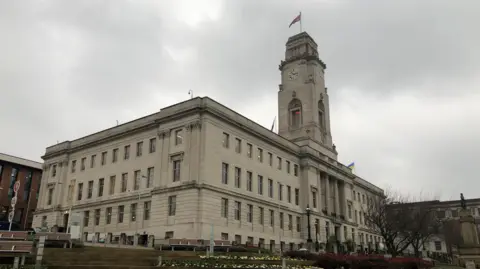
In Barnsley this system will be used this May for the first time in 50 years.
Doncaster had all-out elections last year and Reform UK went from having no councillors to being the biggest party in the council chamber with 37 councillors.
They narrowly missed out on getting their candidate elected as Mayor, Labour held on meaning the council is still run by Labour.
Could Reform repeat their Doncaster form and take control of councils in places like Kirklees, Wakefield and Barnsley?
Orgreave inquiry
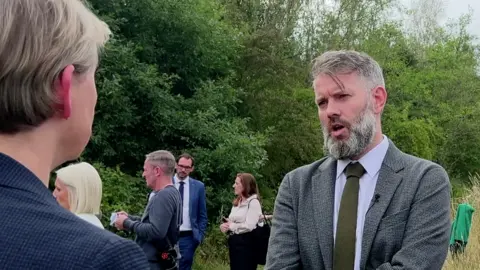
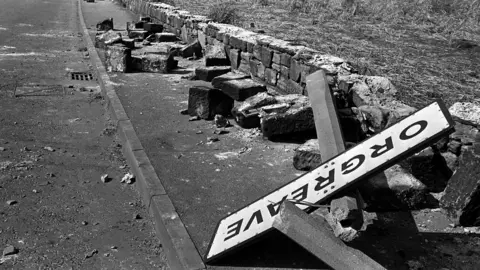
I was at the site of what became known as the Battle of Orgreave in July, walking across the quiet fields of the Waverley estate with the then Home Secretary Yvette Cooper.
It was the day she announced that the government would be conducting a national inquiry into what happened there that day.
It was a bright summers day, not unlike the one in 1984 that will be subject to the inquiry, but six months on we still don’t know any more details about what the scope of the inquiry will be or when it will start.
The Home Office suggests it will start early this year, but campaigners will be keen to see some movement as soon as possible. It was a key announcement for Labour after it was in their election manifesto in 2024.
It will also be interesting to see what effect the new ‘Hillsborough Law’ will have on the inquiry. It will mean authorities will have to cooperate fully with the inquiry. They will have a duty to tell the truth.
Misinformation
 Reuters
We’ve seen increasing use of AI to create misinformation and disinformation in national and international politics – but recently I’ve seen examples of fake posts online used at a very local level.
This struck me as a big change in terms of how we will have to cover upcoming local elections.
It’s now easier than ever for someone to create something using AI and get millions of eyeballs on it. And those numbers will matter.
When you’re covering local elections you’re often talking about the tightest of margins – with often just a few votes in it. Sometimes there have been ties.
If people are reading things that are not true and they don’t realise it – it means that their ability to properly choose between political parties is being undermined.
BBC Yorkshire and our colleagues at BBC Verify might have a busy year sifting through what’s real and what isn’t.