
It was a vote which split the country, towns and even families more or less down the middle.
Ten years ago I spent months talking to people about the EU Referendum, billed by then Prime Minister David Cameron as a “once-in-a-generation opportunity” to have a say on the UK’s relationship with our nearest neighbours.
On 24 June 2016, people in the UK woke up to learn the nation had voted to leave the EU by 51.9% to 48.1%.
In our region, the results were broadly similar but some areas showed a stronger desire to stay or go than others.
In Doncaster, voters said they wanted to leave the European Union, with 69% backing Brexit. In York 58% of voters backed the Remain campaign.
A decade on, I’ve been out in those areas asking people how they feel now.
Doncaster’s high street is buzzing with shoppers, market stall holders and people enjoying the sunshine.
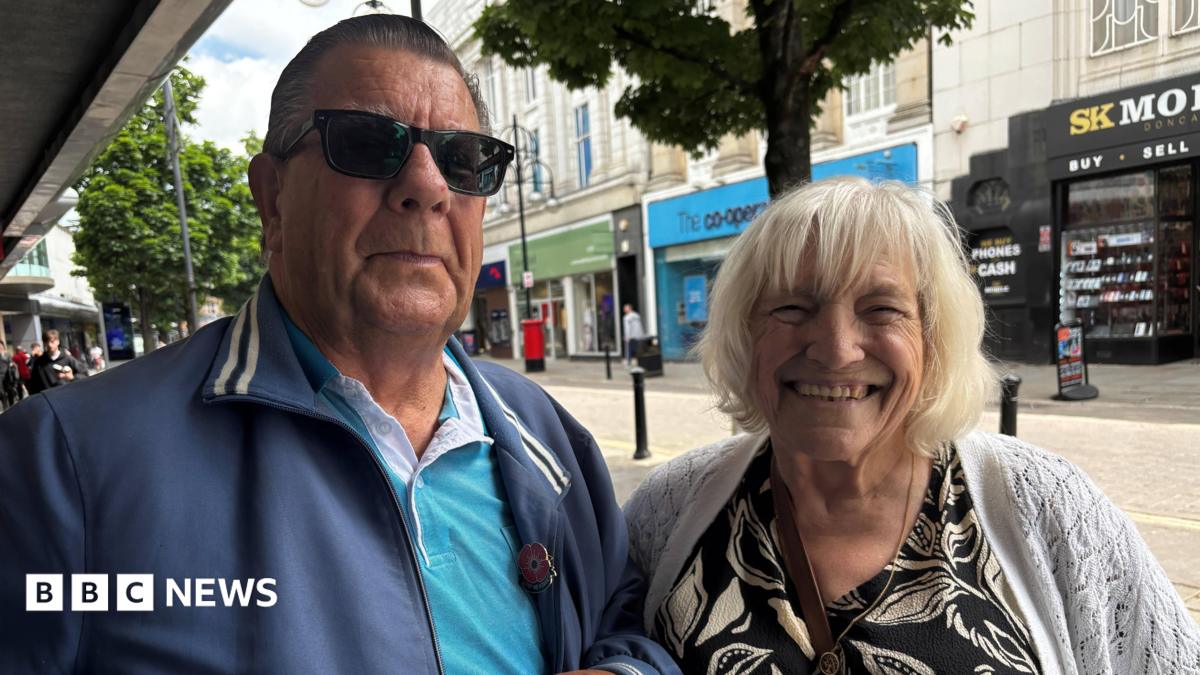
I meet retired couple Ann and Ian Fraser – during our conversation it turns out the pair voted in opposite ways.
Ann voted Remain and believes the country is “worse off” as a result of the Leave vote.
She said “I don’t think we’ve gained a great deal, apart from if you’re travelling abroad a lot.”
Husband Ian backed Leave because he “didn’t like the way the country was being run”.
“We weren’t run by England at all. We were run by whatever was happening in Germany, France or anywhere else,” he explained.
“I still think that we’re better off out of it than we were in it, because I think we can talk for ourselves instead of somebody else doing it for us.
“I don’t think we’ve realised our potential, it’s done us no harm to leave.”
Ann is not sure how she would vote today and says she can see “pros and cons” to both sides.