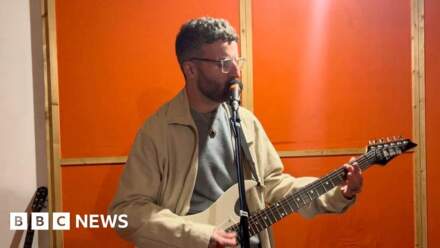

‘Having the power doesn’t mean you have to use it’, says Luke Campbell

Mayor Luke Campbell is one of a number of local leaders believed to be against the proposed tourist tax
Visitors to Hull and East Yorkshire are unlikely to have to pay new tourist taxes anytime soon, after the region’s mayor insisted he would put the interests of local businesses first. Prime Minister Andy Burnham is set to hand England’s mayors new powers to introduce uncapped overnight levies on holidaymakers.
But Luke Campbell, the Mayor of Hull and East Yorkshire, is not keen on introducing the charge in the region though says he “would never rule out an idea forever”. He does not believe it is the right time to add another cost for visitors or businesses and warned tourism, hospitality and leisure businesses are already facing significant pressures during a cost of living crisis.
Mr Campbell attended a high-level meeting at Number 10 North to discuss the issue which is dividing decision makers. Under the proposed plans, local leaders will be allowed to set a levy on a percentage of the cost of accommodation to overnight visitors.
‘Do not add another cost for visitors or businesses’
Mr Campbell said: “I support Mayors having the power because every region is different and we know our own areas best. But having the power doesn’t mean you have to use it.
“I’ve spoken directly to people running tourism and hospitality businesses here and I understand why they’re worried. They’re already dealing with enough pressure, so my instinct is not to add another cost for visitors or businesses.”
Extra cash from the proposed tax could be invested in high streets and local transport. However, Mr Campbell added: “Right now, I want us backing the businesses that make Hull and East Yorkshire such a great place to visit, not making things harder for them.
“I would never rule out an idea forever, but anything like this would have to be right for our area. It would need to bring a clear benefit back into Hull and East Yorkshire without damaging jobs, businesses or visitor numbers.”
Devolution in action
The proposed tourist tax is one of the clearest examples of the government’s devolution agenda. The Labour mayor of York and North Yorkshire, David Skaith, recently commissioned a research paper from the Policy Lab into the idea and is backing a tourist tax for his region.
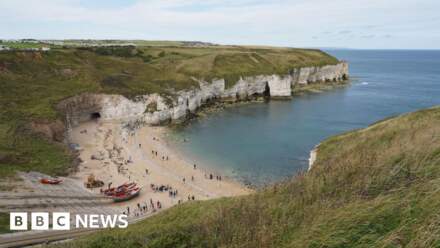
It could mean, for example, holidaymakers going to Filey on the North Yorkshire coast paying a nightly tax for their trip. But holidaymakers coming to Bridlington in East Yorkshire, just a few miles down the coast, would not pay any tourist tax.
Did you know you can make Hull Live a preferred source of Hull news in Google, which will mean you get more of our breaking news, exclusives, and must-read stories straight away? Here’s more information about what this means and how to do it – you can also do it straight away by clicking here .
Professor Brendan Paddison, who is the academic lead for the Policy Lab, said it was important to examine evidence and make an informed discussion. He said: “Our findings suggest that a visitor levy is a viable option worth exploring further, but the detail matters. Any future levy would need to be simple and proportionate, underpinned by transparent governance and meaningful engagement with businesses and communities.
“Crucially, there must also be a clear commitment that any revenue raised is invested back into the places and visitor economy that generate it, with benefits that are visible to businesses, visitors and communities across York and North Yorkshire.”
The government’s proposal will give all mayors new powers to charge an uncapped levy, calculated as a percentage of the cost of hotels, bed and breakfasts and other types of accommodation. In a letter to Chancellor John Healey and Local Government Secretary Angela Rayner, the Labour metro mayors said five per cent represented a ‘reasonable ceiling’ on the tax.
Listening to local people
Mr Campbell is one of a number of leaders believed to be against the tax. He said he has recently met directly with businesses from the hospitality and tourism sector, including those operating in rural East Yorkshire communities, and has a clear understanding of the concerns they have raised.
Hull and East Yorkshire has a very different visitor economy to places such as York or Edinburgh, with a smaller overnight visitor base and a significant coastal, rural and seasonal offer, Mr Campbell explained.
The bill will go before parliament soon. Policymakers are still working on some details around exemptions for campsites and the mechanism for collecting the tax.
To find all the planning applications, traffic diversions, road layout changes, alcohol licence applications and more, visit the Public Notices Portal .