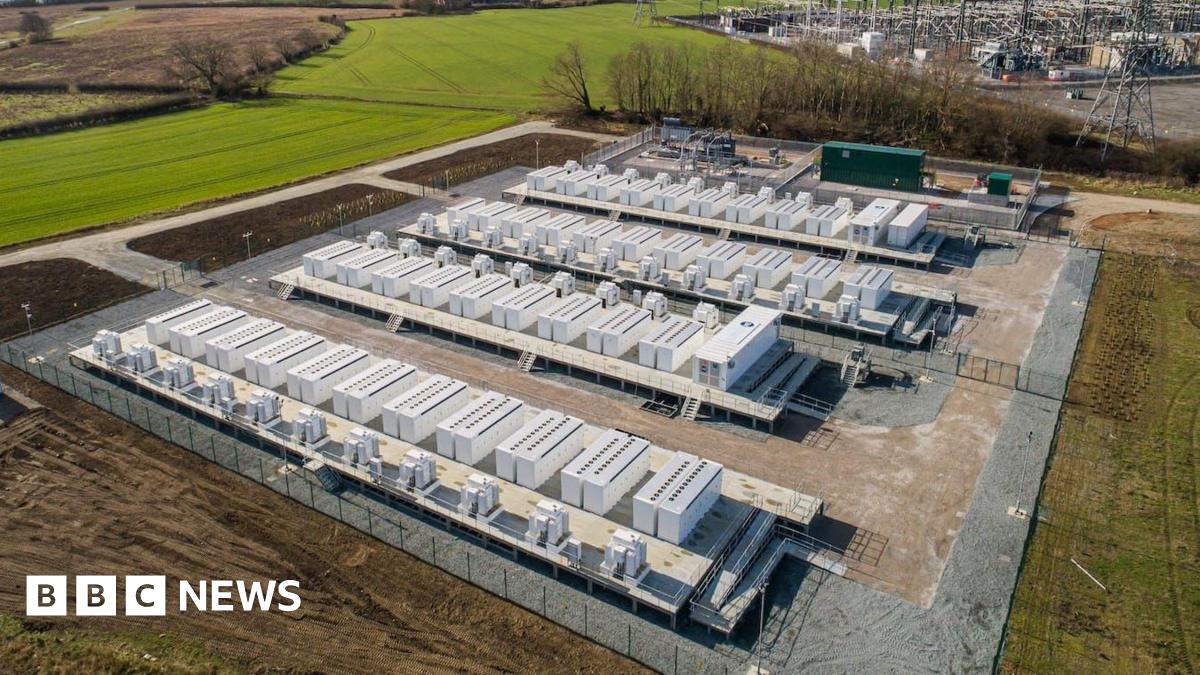

During the inquiry, one of the main issues raised related to the impact on the green belt and on buildings close to the site.
The site lies within the setting of the Grade II listed Dame Mary Bolles Water Tower, which dates back to the 17th Century, and the Heath conservation area.
Harmony Energy claimed the site should be redefined as “grey belt”, a concept introduced in 2024 aimed at freeing up some green belt areas for development.
Stephanie Hall, for Harmony, said the scheme would “assist the council and the UK in delivering meaningfully on climate and biodiversity agendas”.
The council had failed to allocate any sites for renewable energy in its latest Local Plan, a document which outlines future development within the district, Hall said.
The heritage impacts would be reversible and temporary, and at a “lower level” than assessed by other parties, she added.
A spokesperson for the company said they were “pleased that the project can move forward following a thorough examination”.
“We are committed to supporting a homegrown UK energy system that the nation can be proud of, and this decision is an essential step in reducing our reliance on foreign imports and exposure to global energy supply shocks,” they said.
“Sites located next to existing substations play a vital role in strengthening energy security and reducing the nation’s reliance on carbon-intensive resources and imported energy.”
They added the company remained “committed to delivering significant heritage enhancements which are of clear importance to local residents and to the heritage of this part of Wakefield”.