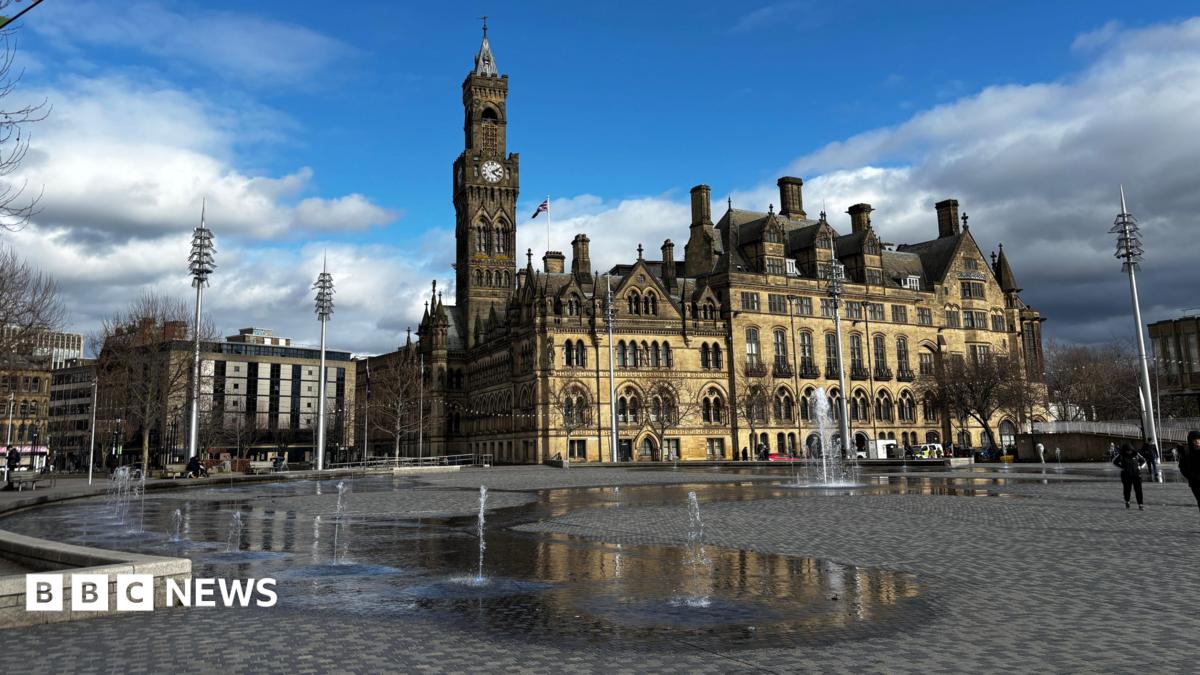

In 2024, Bradford Council was granted an Exceptional Financial Support agreement by the government to help it raise £127m in an effort to ease its financial crisis.
The district had been on the financial brink and narrowly staved off effective bankruptcy.
Despite making £40m worth of savings in an attempt to balance its books, as well as announcing a controversial 10% council tax rise, emergency measures had to be used so it was able to borrow money or sell assets in order to raise the extra money.
Sell-offs already completed have included car parks, former care homes and an activity centre for children, with campaigns by the public ultimately failing to save the sites.
However since the new Reform UK-led council administration came in, it has already pledged to review some of its predecessors’ earlier broader cost-cutting decisions.
Just this week, the authority said it would review the closure of at least one of three recycling centres.
The latest council report explained that in total, 348 assets have been identified for potential disposal, representing an estimated £83m in sales and forming a key part of the council’s financial recovery plans.
It says £37.1m has already been realised through the sale of 115 assets up to this year since the sell-off was launched, all in a bid to “offset the requirement for Exceptional Financial Support borrowing”.
During the current financial year, another five assets have been sold, generating £1.1m in receipts.
A further £24.4m of sales is currently forecast for the current 2026/27 financial year, including properties that are already on the market, or progressing through legal processes or due to be marketed in the coming months.
The report notes that on the whole, these sales are expected to be completed within six months for each individual deal, but completion times can vary depending on the “complexity” of individual transactions and wider market conditions.
The report also highlighted that it had already cost the authority £3.3m to manage the sales.
While disposal costs are normally around the 4% mark, it said, “the complexity and work required to maximise sales values means this is currently running at closer to 6.7%”.